
Trailer King Pin Guide: Types, Inspection & Replacement
A king pin is a small forged part carrying the entire pulling and braking load between a semi-trailer and its tractor, and it's also one of the easiest parts on a trailer to inspect wrong — a quick visual check misses the wear that actually causes coupling failures. This guide covers the king pin types on the market, how to choose between them, and the inspection routine that catches wear before it becomes a road failure.
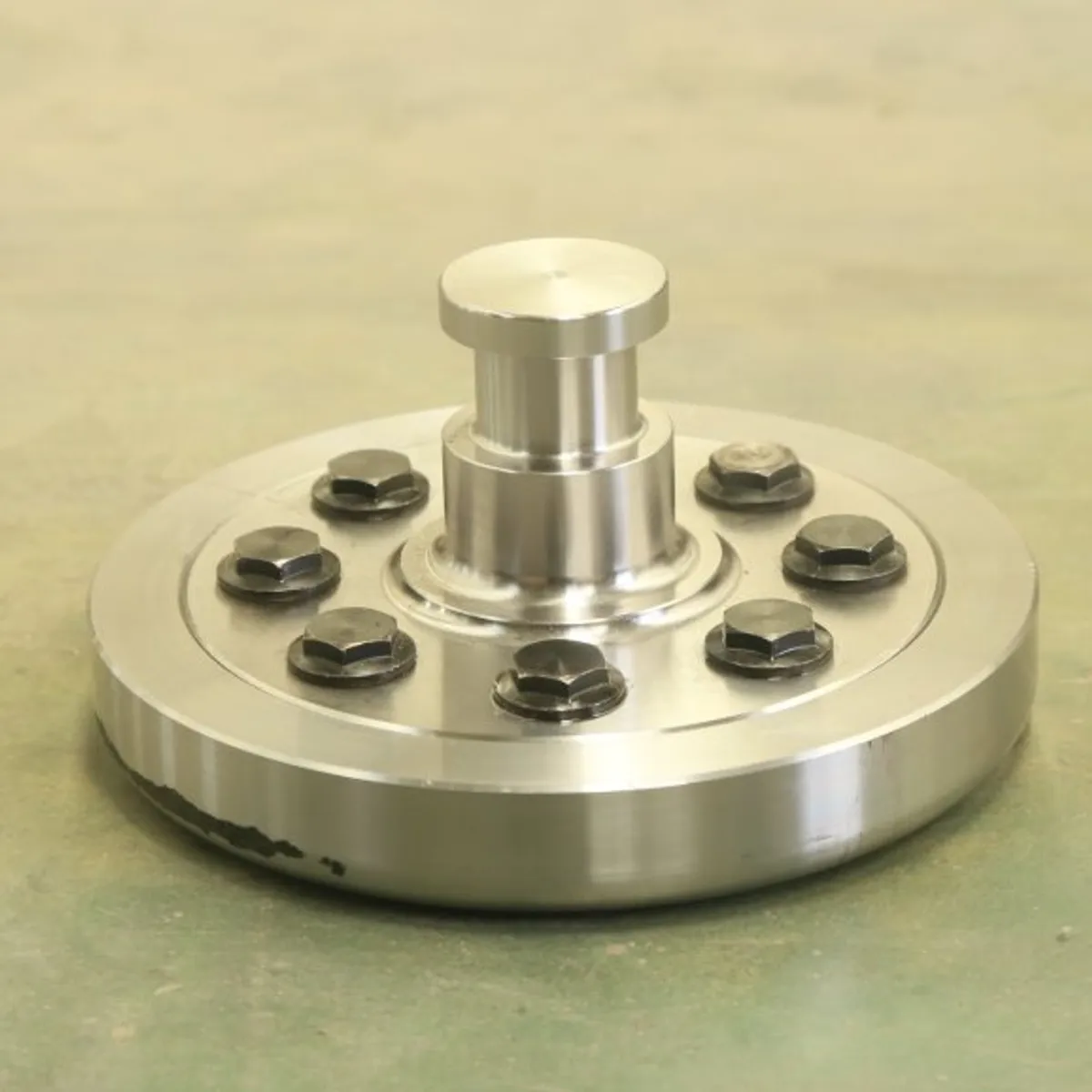
King Pin Types: 2 Inch vs 3.5 Inch Diameter
The two dominant king pin types on the road are distinguished by diameter and the standard they follow. The 2 inch (50mm) king pin follows the SAE standard used across North America and most export markets, fitting the American-pattern fifth wheel coupling found on the majority of tractors we ship replacement parts for. The 3.5 inch (90mm) king pin follows the ISO 337 / JOST heavy-duty standard common on European-built tractors and on high-capacity flatbeds and lowbeds carrying concentrated or oversized loads, where the larger shear cross-section matters.
The 2 inch vs 3.5 inch king pin decision comes down entirely to what fifth wheel coupling the tractor is fitted with — a 3.5 inch jaw will not lock securely onto a 2 inch pin, and forcing a mismatch creates a false connection that can release under braking. If you're not certain which diameter a fleet runs, check the fifth wheel brand and model rather than guessing from the trailer's country of origin, since export trailers sometimes carry a different standard than the tractors pulling them locally. This is the exact distinction Russian-speaking buyers are asking about when searching шкворень 2 дюйма versus шкворень 3.5 дюйма, and French-speaking buyers when asking about a pivot d'attelage semi remorque — get the fifth wheel jaw size confirmed first, every time.
For buyers comparing options quickly, a simple king pin size chart makes the decision straightforward: 2 inch (50mm SAE) covers the standard used on the vast majority of North American and export-market semi-trailers, while 3.5 inch (90mm ISO 337 / JOST) covers the European heavy-duty standard fitted to European-built tractors and high-capacity flatbeds and lowbeds. There is no in-between diameter in common production — every semi kingpin size on the market today falls into one of these two categories, and no serious manufacturer builds a third size for standard highway trailers. When a customer asks us to confirm the semi trailer kingpin size on a specific unit, the fastest way is checking the fifth wheel's model plate rather than measuring the pin itself, since the two diameters are close enough in appearance that eyeballing them is unreliable. If you're asking what the standard semi kingpin size is without a specific fifth wheel to check against, the safe default for North American and export fleets is the 2 inch SAE pin, while European-spec fleets and heavy-duty flatbed or lowbed operators should default to the 3.5 inch pin.
Where Is the King Pin Located on a Tractor-Trailer?
The kingpin on tractor trailer combinations is not visible until uncoupled — it sits underneath the front of the trailer bed, forged into the kingpin plate that lowers into the fifth wheel's jaw once the two units back together. Fleets searching for a kingpin tractor trailer diagram are usually trying to locate this plate: forward of the landing gear, directly above the tractor's fifth wheel once coupled, not further back near the axles. The same part goes by kingpin truck trailer or tractor trailer king pin in different regions, but the location is identical.
Because the pin is hidden inside the coupling once hooked up, inspection has to happen uncoupled — trying to check a king pin on trailer without separating the units means relying on feel through the jaw rather than a direct look, exactly the shortcut that misses the oval wear described above. Anyone asking where the kingpin on a tractor trailer sits should drop the landing gear and pull the tractor forward to expose the plate and pin.
Bolt-On vs Weld-On King Pin
Beyond diameter, king pins are supplied in two mounting formats. A bolt-on vs weld-on king pin choice is really a choice about who's doing the installation and when. The bolt-on king pin plate carries the pin pre-installed in a plate that bolts directly to the trailer's existing bolt pattern — the format we ship most for field replacement and aftermarket orders, since a workshop can swap a worn pin in an afternoon without cutting or welding on the chassis.
The weld-on king pin is a bare forged pin supplied to OEM trailer builders who set it into the kingpin plate during production, holding tighter concentricity than a bolted joint and standard on new-build trailers where the manufacturer controls weld quality in-house. Structural performance is identical between the two once properly installed — the choice is purely about installation method and whether the job is a field repair or new production. This matches the same king pin semirremolque and perno rey terminology Spanish-speaking buyers use when specifying either format, and the cheville ouvrière terminology used across French-speaking fleets.
King Pin Inspection: What to Actually Check
Proper king pin inspection goes well beyond a visual glance at the pin from outside the fifth wheel — the wear that causes failures is often on the contact surface where the pin rides inside the jaw, not visible without pulling the trailer off the tractor or using calipers through the fifth wheel opening. Look for grooving or scoring where the jaw grips the pin, any visible bending along the shank, and looseness or knocking when the fifth wheel locks onto the pin — knocking under load is one of the clearest signs a pin has already worn past a safe tolerance.
Inspection should happen at every major service interval on the trailer, alongside checks on the fifth wheel coupling itself, since a worn jaw and a worn pin often develop together and neither one fully explains a coupling problem in isolation. Don't rely on how the fifth wheel feels when it locks as your only check — a jaw that's also worn can mask pin wear by still gripping tightly even around an undersized pin.
King Pin Wear Measurement
King pin wear measurement is done with calipers across the pin's contact diameter, compared against the tolerance specified for that pin's nominal size — 2 inch (50mm) or 3.5 inch (90mm). The key detail buyers miss is that wear is rarely uniform: a pin can wear into an oval cross-section rather than shrinking evenly all around, which means a caliper reading taken from only one angle can show a diameter that looks acceptable while a reading 90 degrees around shows the pin already out of tolerance. Always measure across at least two perpendicular axes.
Any pin measuring outside its rated tolerance should be scheduled for king pin replacement immediately rather than at the next convenient service, since an oval-worn or undersized pin doesn't fail gradually with warning — it can release from the fifth wheel jaw suddenly under braking or cornering load. We recommend fleets keep a spare bolt-on king pin plate assembly on hand for exactly this reason, so replacement doesn't wait on a parts order once wear measurement flags a pin as due.
King Pin Replacement Steps
King pin replacement starts with confirming diameter and mounting format against the existing installation — check whether the current pin is 2 inch or 3.5 inch and whether it's a bolt-on plate or weld-on pin before ordering, since sending the wrong combination means a second shipment and downtime waiting on it. For bolt-on replacement, the plate unbolts from the kingpin structure and the new assembly bolts back in using the same bolt pattern, a job most fleet workshops handle without outside help. For weld-on replacement, the job requires a certified welder and proper weld prep to hold the pin's rated shear strength, which is why weld-on replacement is less common outside of OEM production runs and major fleet maintenance shops with in-house welding capability.
Whichever format, confirm the replacement pin's load rating matches or exceeds the original and that it's compatible with the trailer's landing gear and kingpin plate mounting, since on some chassis designs the kingpin plate and landing gear bracket share structural mounting points that need to line up correctly after the swap.
Frequently Asked Questions
How do I know if I need a 2 inch or 3.5 inch king pin?
Should I replace a worn king pin with a bolt-on or weld-on version?
How do I properly inspect a king pin for wear?
What king pin diameter tolerance means it needs replacement?
Can I replace a king pin myself, or do I need a welder?
Where can I find a king pin size chart for semi trailers?
Where is the kingpin located on a tractor-trailer?
Tell us the part you need and your destination port — we'll send specs & a quote today.
Reply within 24 hours — or WhatsApp us at +86 199 5331 6215.