
Trailer King Pins - 2 Inch & 3.5 Inch, Bolt-On & Weld-On
We forge king pins in both 2 inch (50mm) and 3.5 inch (90mm) diameters, supplied as bolt-on plate assemblies or bare weld-on pins for OEM trailer builders and fleets sourcing a replacement semi trailer king pin for trailer service stock or new-build orders. Every king pin is induction hardened on the fifth wheel jaw contact surface and shear tested before it ships, because a king pin that fails is a trailer that fails.
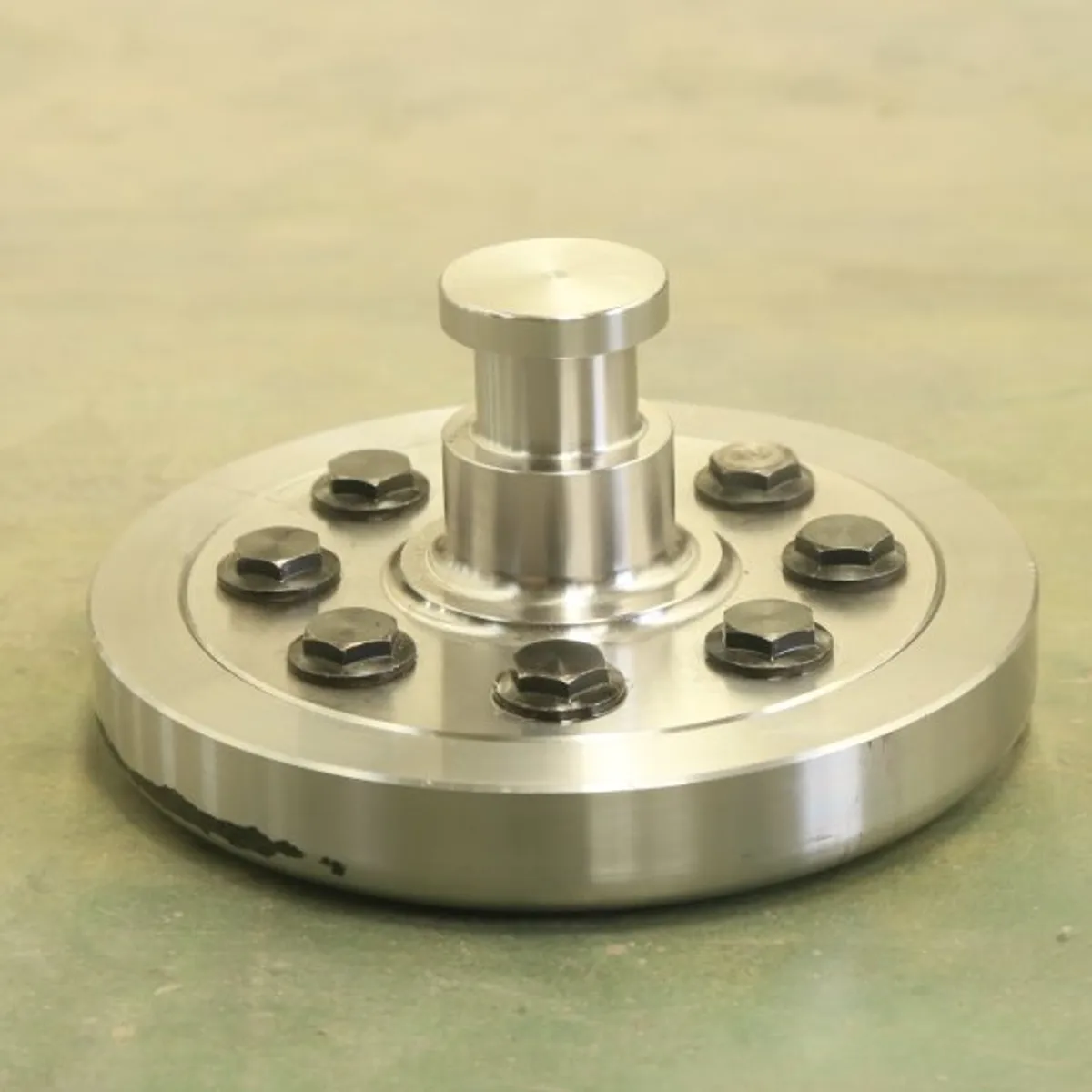
Specifications
| Diameter | 2 inch (50mm) SAE / 3.5 inch (90mm) ISO 337 heavy-duty |
|---|---|
| Mounting type | Bolt-on king pin plate or weld-on pin |
| Material | Forged alloy steel, case-hardened wear surface |
| Heat treatment | Induction hardened jaw contact area, core toughness retained |
| Load rating | 2 inch: up to 34,000 kg kingpin vertical load; 3.5 inch: up to 55,000 kg |
| Bolt pattern (plate) | 6-bolt and 8-bolt patterns, matched to standard kingpin plate thickness |
| Testing | Rotational fatigue test and shear test per ISO/SAE |
| Fifth wheel compatibility | Jost, Fontaine, SAF Holland and Fuwa fifth wheel couplings |
| Finish | Zinc-plated or black oxide, corrosion resistant |
2 Inch vs 3.5 Inch King Pin: Picking the Right Diameter
The 2 inch king pin is the SAE standard used across North America and most of the export markets we ship to — it's the size fitted to nearly every American-pattern fifth wheel coupling on the road, and it's the kingpin on tractor trailer rigs that we recommend by default unless a customer tells us otherwise — buyers also call this same part a fifth wheel king pin, a king pin for fifth wheel coupling, or simply a semi king pin. The 3.5 inch king pin (90mm) follows the ISO 337 / JOST heavy-duty standard common on European-built trailers and on high-capacity flatbeds and lowbeds moving oversized or concentrated loads where the extra shear cross-section matters.
Mixing the two is the single most common mistake we see from buyers ordering replacement parts without measuring first — a 3.5 inch fifth wheel jaw will not lock securely onto a 2 inch king pin for semi trailer applications, and forcing it creates a false connection that can release under braking. Confirm the king pin and fifth wheel are matched to the same SAE or ISO 337 standard before combining old and new stock, and match the kingpin fifth wheel coupling pairing exactly rather than assuming. If you're not certain which diameter your fleet runs, send us the fifth wheel brand and model and we'll confirm before quoting.
King Pin Assembly: Bolt-On Plate vs Weld-On Pin
We supply the king pin in two mounting formats. The bolt-on king pin plate assembly is built for retrofit and field replacement — the plate carries the pin pre-installed and bolts straight to the trailer's existing bolt pattern, so a fleet workshop can swap a worn pin in an afternoon without cutting or welding on the chassis. It's the format we ship most for aftermarket and maintenance orders because it removes the need for a certified welder on site — most buyers ordering a fifth wheel king pin plate for field replacement choose this bolt-on format for exactly that reason.
The weld-on king pin is a bare forged pin supplied to OEM trailer builders who set it into the kingpin plate during production. It's permanent, holds tighter concentricity to the plate than a bolted joint, and is the standard choice for new-build trailers where the manufacturer controls weld quality in-house. We machine the weld prep and pin base to the same tolerance either way, so structural performance is identical once installed — the difference is purely how you intend to install and later replace it.
Material and Heat Treatment That Actually Survives the Fifth Wheel Jaw
The king pin tractor trailer fleets depend on lives inside the fifth wheel jaw taking constant rotational friction and shock loading every time the tractor turns or brakes hard. We forge the pin from alloy steel rather than machining it from mild steel bar stock, then induction harden the jaw contact surface so it resists wear without making the core brittle — a fully through-hardened pin cracks under shock load, while a soft one grooves out in a season of gravel-route running. Every batch goes through a rotational fatigue test and a shear test per ISO/SAE before release, because the failure mode we're testing against — a sheared or worn-oval pin letting go of the fifth wheel coupling — is not one you get a second chance on.
The kingpin plate itself is cut to match standard plate thickness so it seats flush against the trailer's existing structure, and we hold the bolt pattern to the common 6-bolt and 8-bolt layouts used across Jost, Fontaine and SAF Holland fifth wheels so a bolt-on replacement doesn't turn into a drilling job. Every kingpin coupling we ship carries the same bolt pattern tolerance, whether it's a stock order or a one-off replacement.
Fitting It With Your Landing Gear and Axle Setup
The tractor trailer king pin doesn't work in isolation — it's one corner of a load path that runs through the kingpin plate assembly, the landing gear that supports the front of the trailer when it's decoupled, and back through the trailer axles at the rear. When we quote a king pin assembly for a new-build order we ask for the landing gear plate thickness and mounting spacing at the same time, because on some chassis designs the kingpin plate assembly and landing gear mounting bracket share the same structural plate and need to line up during fabrication, not after.
For fleets sourcing a semi trailer kingpin plate replacement rather than a full assembly, we only need the plate thickness and bolt spacing from the existing installation — send a photo with a tape measure in frame and we can usually confirm compatibility without a site visit. Regional phrasing varies from market to market, but the fifth wheel trailer king pin described here is the same part throughout.
Frequently Asked Questions
How do I know if I need a 2 inch or 3.5 inch king pin?
Should I order a bolt-on or weld-on king pin?
How do I measure an existing king pin plate for a replacement order?
Will your king pin fit a Jost, Fontaine or SAF Holland fifth wheel?
What are the signs a king pin needs to be replaced?
Do you supply tow bar locking pins or shipping container locking pins?
Tell us the part you need and your destination port — we'll send specs & a quote today.
Reply within 24 hours — or WhatsApp us at +86 199 5331 6215.